Five Metal Detecting Trips to Squeeze in This Summer
 August 13, 2026
Five Metal Detecting Trips to Squeeze in This Summer
Summer might be winding down, but your detecting season does not have to. There are still long days to make the most of, new ground waiting to be searched and plenty of reasons to squeeze another adventure into the calendar.
Not sure where to point the pinpointer next? Here are five late-summer adventures worth adding to your list.
1. Chase the Tide
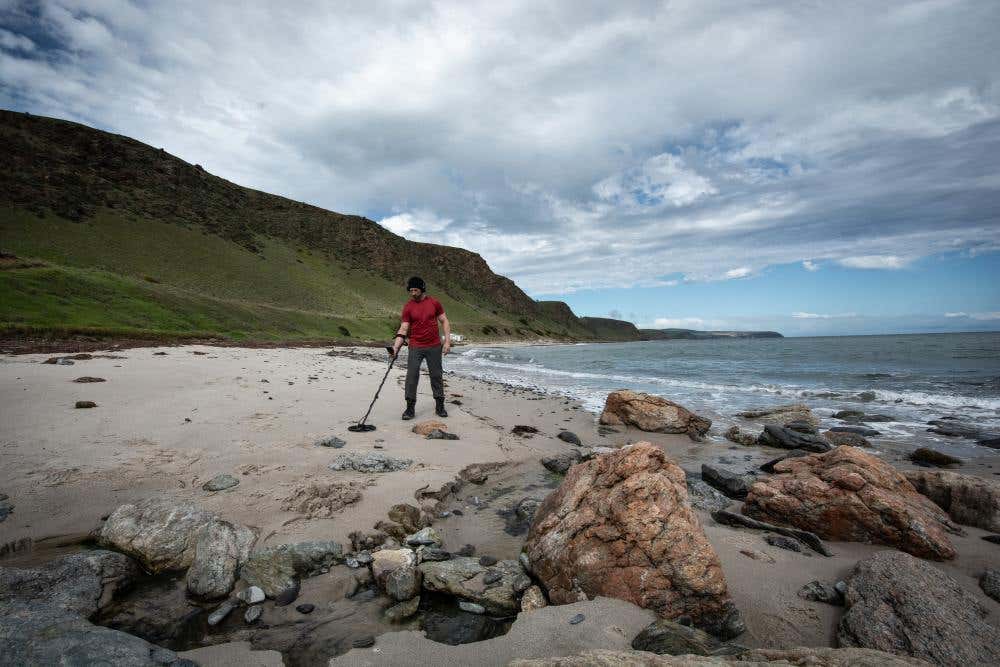
A beach hunt is hard to beat at this time of year, especially after weeks of summer crowds have come and gone. Try a beach you have never searched before or head beyond your usual patch and see what another stretch of coastline has to offer.
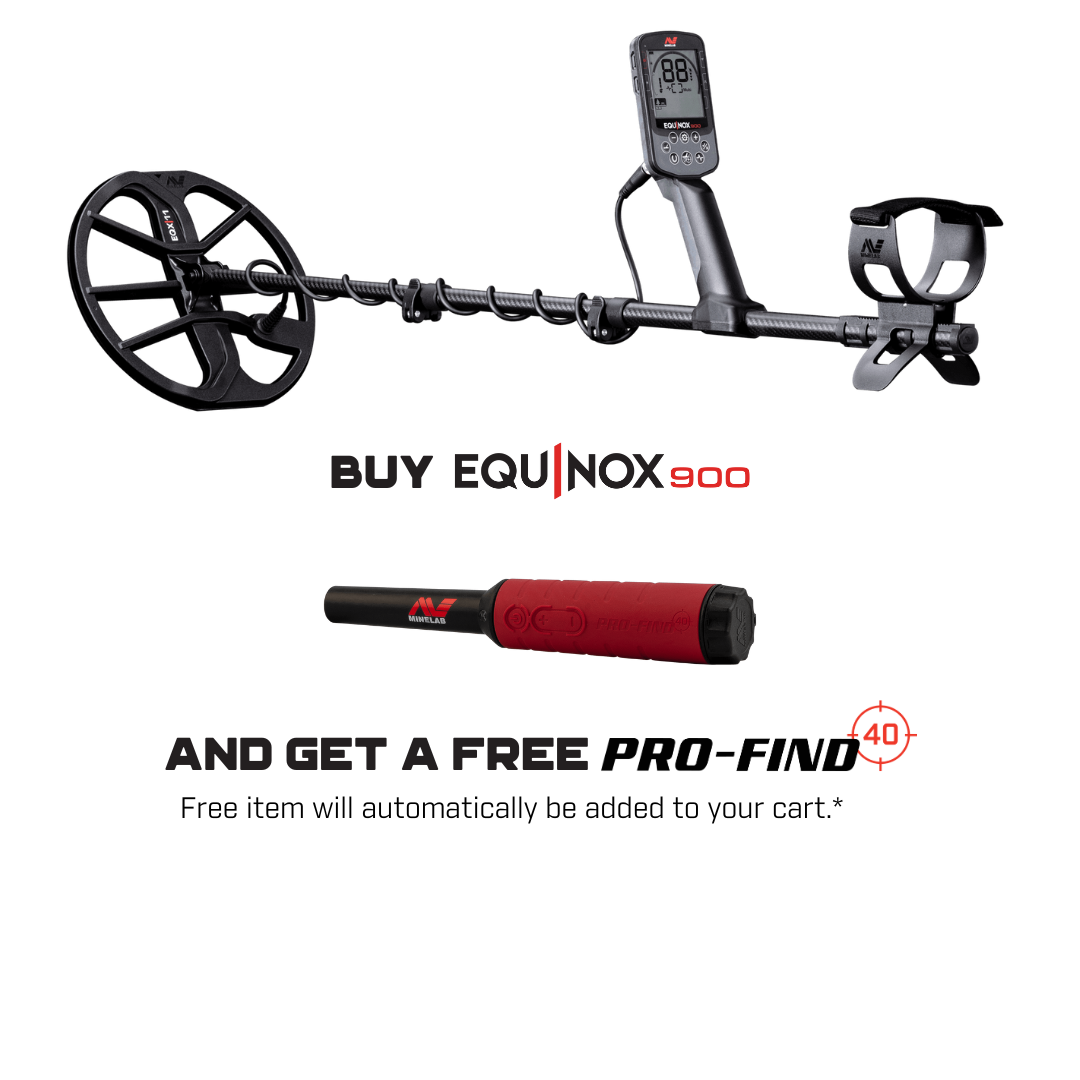
Do not limit your search to one part of the beach. Work the dry sand, follow the tide line and, where conditions allow, search the shallows. The EQUINOX 900 is waterproof up to 5 m (16 ft) and uses Multi-IQ technology, so you’re prepared when the hunt takes you across changing beach conditions.
Check local rules and tide times before you head out, and make sure detecting is permitted at your chosen location.
Once the hunt is over, give your gear some attention too. Salt and sand have a habit of finding their way into everything, so rinse suitable waterproof components with fresh water according to the manufacturer’s instructions and clear away sand before packing up.
2. Get on Freshly Harvested Ground
For many detectorists, the sight of a freshly harvested field means one thing: opportunity.
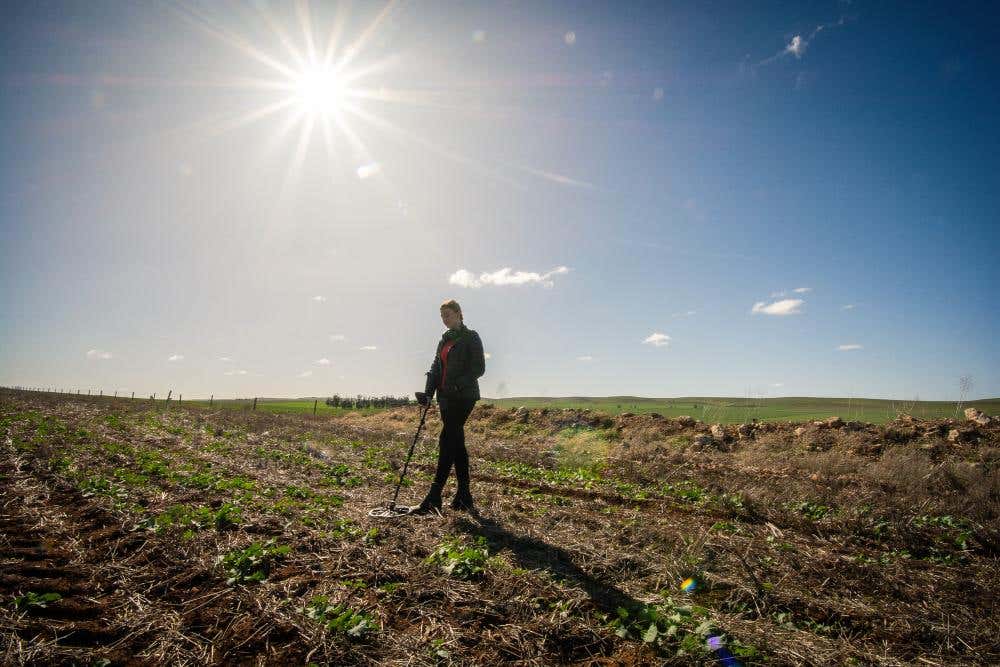
Late summer can open up ground that has been inaccessible for months. If you have permission from the landowner, recently harvested fields can give you room to roam, cover plenty of ground and search somewhere that feels completely different to your usual spots.
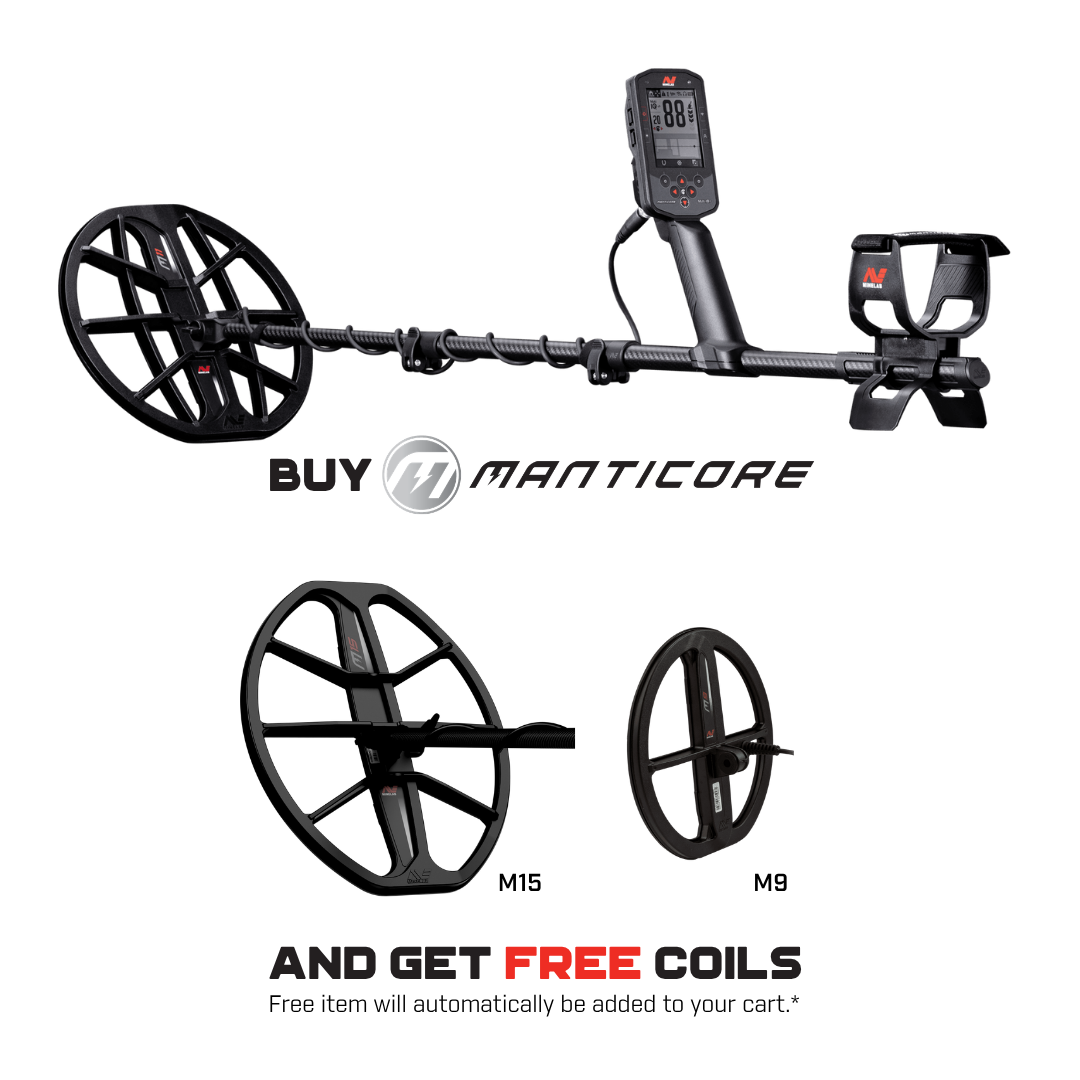
This is where your coil choice can make a noticeable difference. Pair the MANTICORE with the M15 coil when you want greater ground coverage across open areas. If the terrain becomes tighter or more cluttered, the smaller M9 coil gives you another option.
Respect the land and the access you’ve been given. Stick to agreed boundaries, fill your holes properly, respect crops and livestock, close gates and follow any arrangements you have made with the landowner regarding finds.
3. Take the Search into the Woods
Want to get away from wide-open ground? Head for the trees.
Woodland detecting changes the pace. Instead of sweeping across large open areas, you could find yourself navigating roots, working around undergrowth and following old paths through the landscape.
That makes a lightweight setup particularly useful. The X-TERRA ELITE weighs 1.3 kg (2.9 lbs), so it’s easy to carry when the day involves plenty of walking and manoeuvring around tighter terrain.
Look at the landscape as you go. Old paths, entrances and signs of previous activity can all help you decide where to spend more time searching.
Public access does not necessarily mean permission to detect, so establish who owns or manages the land before you start. Stay clear of protected areas and take care around wildlife and habitats.
4. Follow the Water
There is something different about detecting beside a river. One minute you are following a path, the next you are searching an open bank or investigating a patch of ground that catches your attention.
It is also the sort of hunt where conditions can change quickly. Rainfall can affect water levels and turn firm ground slippery, so check the forecast before leaving and pay attention to conditions when you arrive.
If your route could take you between dry and wet environments, the waterproof EQUINOX 900 gives you the freedom to keep searching when the terrain changes.
Pack for the location rather than just the detector. Sturdy footwear, gloves, water and a secure finds pouch can all earn their place in your kit.
Riverside access can also be more complicated than it first appears. Banks, paths and neighbouring land may have different owners or restrictions, so find out exactly where you have permission to detect before your first swing.
5. Pack a Detector for the Weekend
Heading away before summer ends? Make some room for your detector.
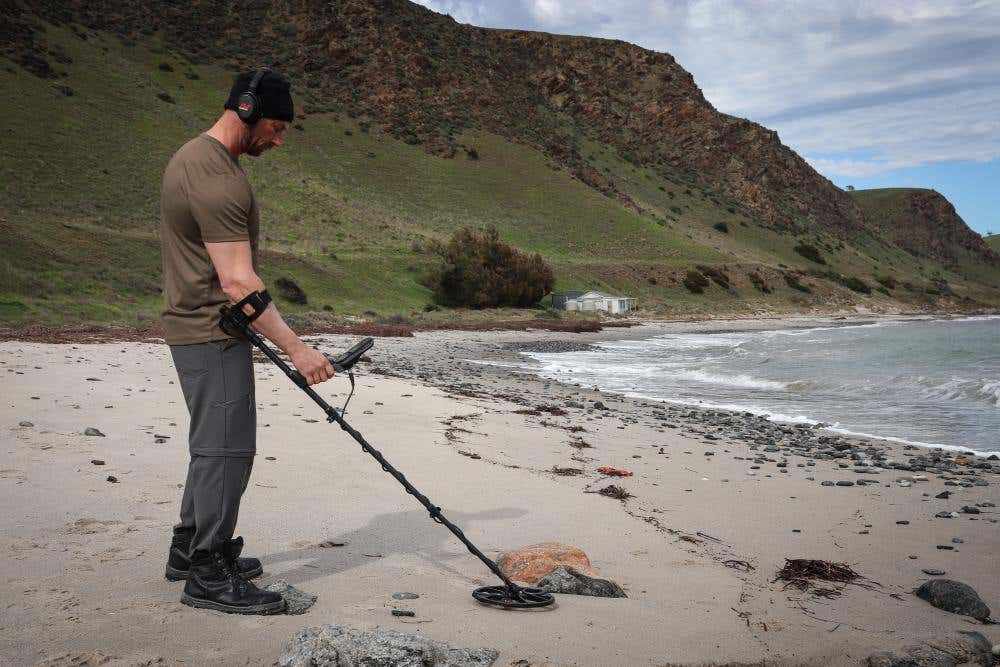
A weekend on the coast, a countryside escape or a few days somewhere new can put completely unfamiliar ground within reach. Even if detecting is not the main reason for the trip, a couple of free hours can be enough for a memorable hunt.
It can also be a great way to introduce someone new to the hobby. The VANQUISH 340 keeps things simple with turn-on-and-go detecting, giving users an accessible choice for someone joining the search for the first time.
Do some research before you leave. Find out where detecting is allowed, who you need permission from and if there are rules covering the recovery or reporting of finds.
Travelling abroad? Put local detecting laws on your pre-trip checklist. Regulations can change considerably between countries and regions, so know the rules before your detector leaves its bag.
Before You Head Out
A spontaneous hunt is fun. Realising you left something important at home is not.
Give your kit a quick check before setting off. Detector, suitable digging tools, finds pouch, gloves, water, sun protection and any charging equipment or spare batteries you need should cover the essentials for most trips.
Think about the ground you will be searching too. Open fields, woodland, beaches and riverbanks can demand different things from you and your equipment, so choose your detector and coil setup with the location in mind.
Most importantly, check your permission before you travel. A promising location is only worth adding to the list if you are allowed to detect there.
One More Hunt Before Summer Ends
You do not need a plane ticket or a week off to find your next detecting adventure.
Pick a beach you have always driven past. Ask about that field you have had your eye on. Follow a new woodland route or put your detector in the car the next time you head away for the weekend.
There is still summer left. Make it count.
Related Products