Over 80 Years Later: The Signal That Reconnected a Family
 August 25, 2026
Sometimes the greatest discoveries aren’t measured by what comes out of the ground, but by where they lead next.
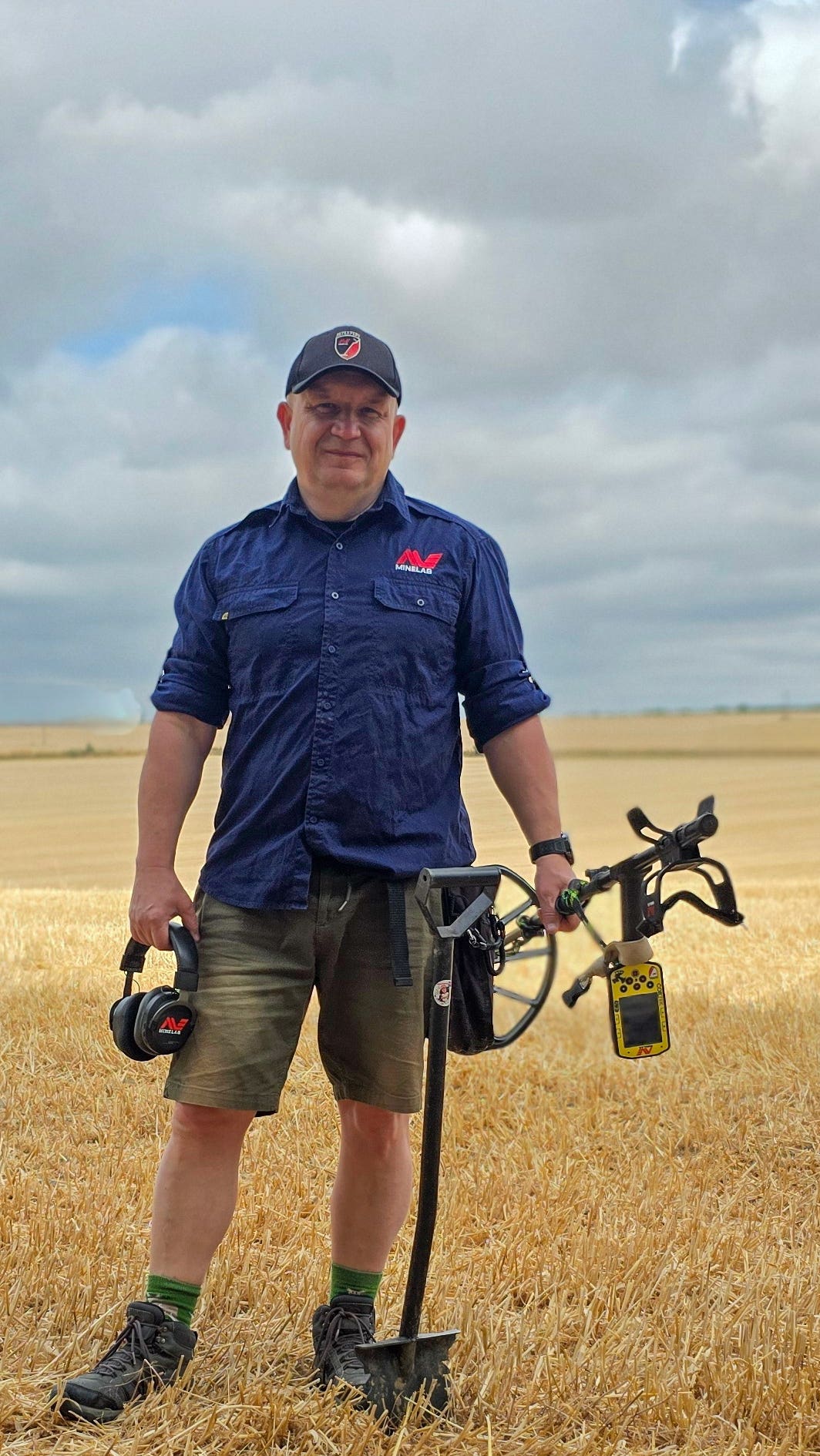
For UK-based Minelab Detexpert Artur Kropiwiec, known to many in the detecting community as Metal Detecting Buddy, one signal in a North Yorkshire field became the beginning of a journey spanning more than 80 years of history and hundreds of miles across Europe.
What started with the discovery of a small military identity tag grew into months of research, new friendships and a journey to northern Italy to return a deeply personal piece of history to the family of the man who once carried it.
Artur’s story is a powerful reminder that the moment a target is recovered does not always mark the end of a discovery. Sometimes, it is only the beginning.
One Signal in Yorkshire
Artur has spent years exploring fields across England with Minelab detectors, recovering everything from Roman coins and medieval artefacts to military relics and hundreds of objects recorded through the Portable Antiquities Scheme.
On this particular morning, he was detecting one of his permissions in North Yorkshire with his MANTICORE metal detector when a clear, repeatable signal caught his attention.
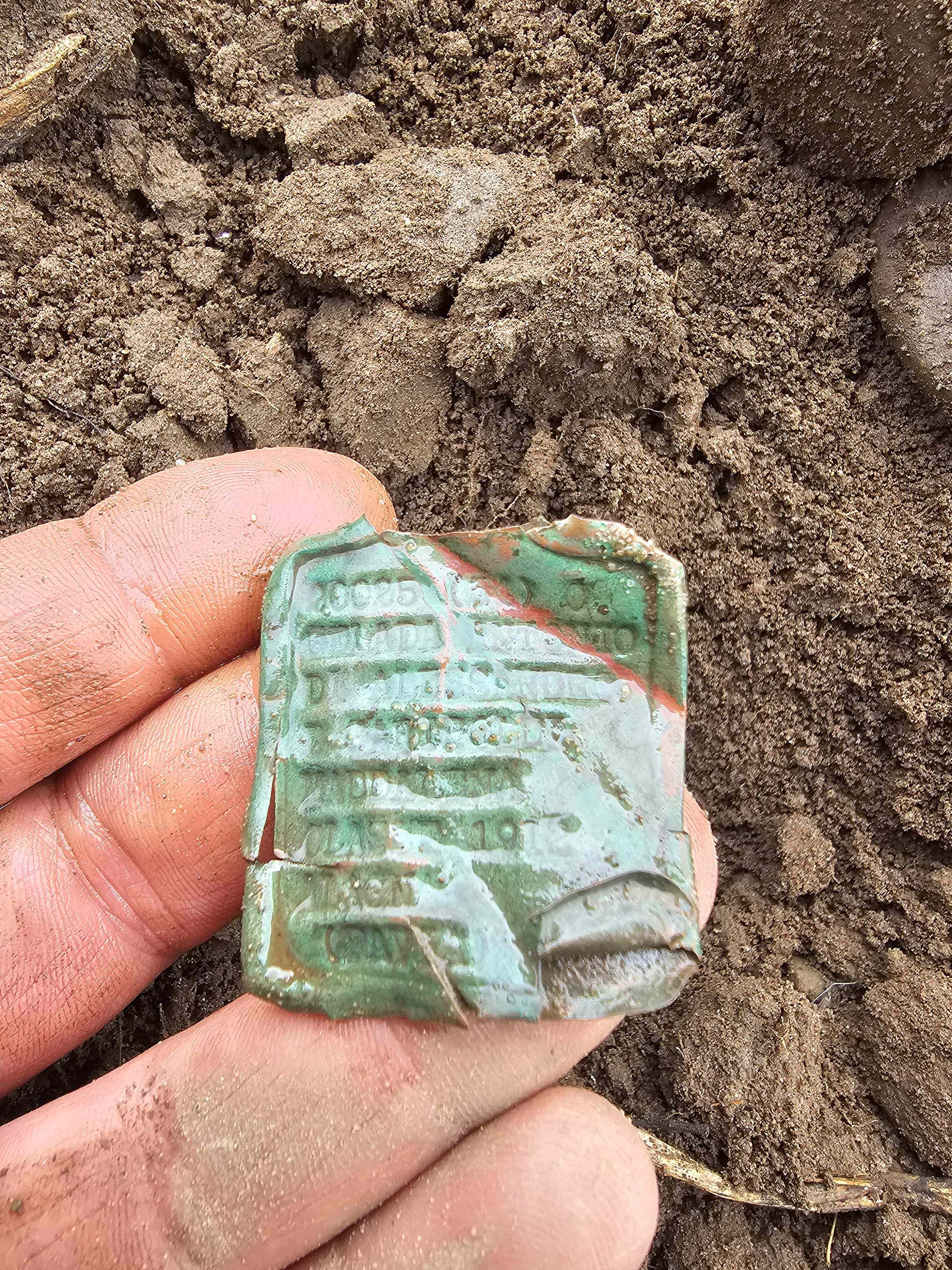
Only a few inches beneath the surface was a small metal object, covered in soil and corrosion. As Artur carefully revealed more of its surface, stamped letters appeared.
It was a military identity tag.
This was no anonymous artefact. It had belonged to a person, carried through a period of war, uncertainty and captivity.
Artur wanted to know whose story he had uncovered.
Following the Story
Finding the identity tag was only the first part of Artur’s work.
What followed took patience and persistence. Over the next several months, he searched military records, historical archives, online databases and specialist forums, comparing information from Britain and Italy as he worked to identify the person behind the tag.
The investigation gathered momentum when Alessio and Maurizio joined the search. Their knowledge of Italian military records and local history helped piece together information from military documents, archives and family records.
Eventually, they had a name.
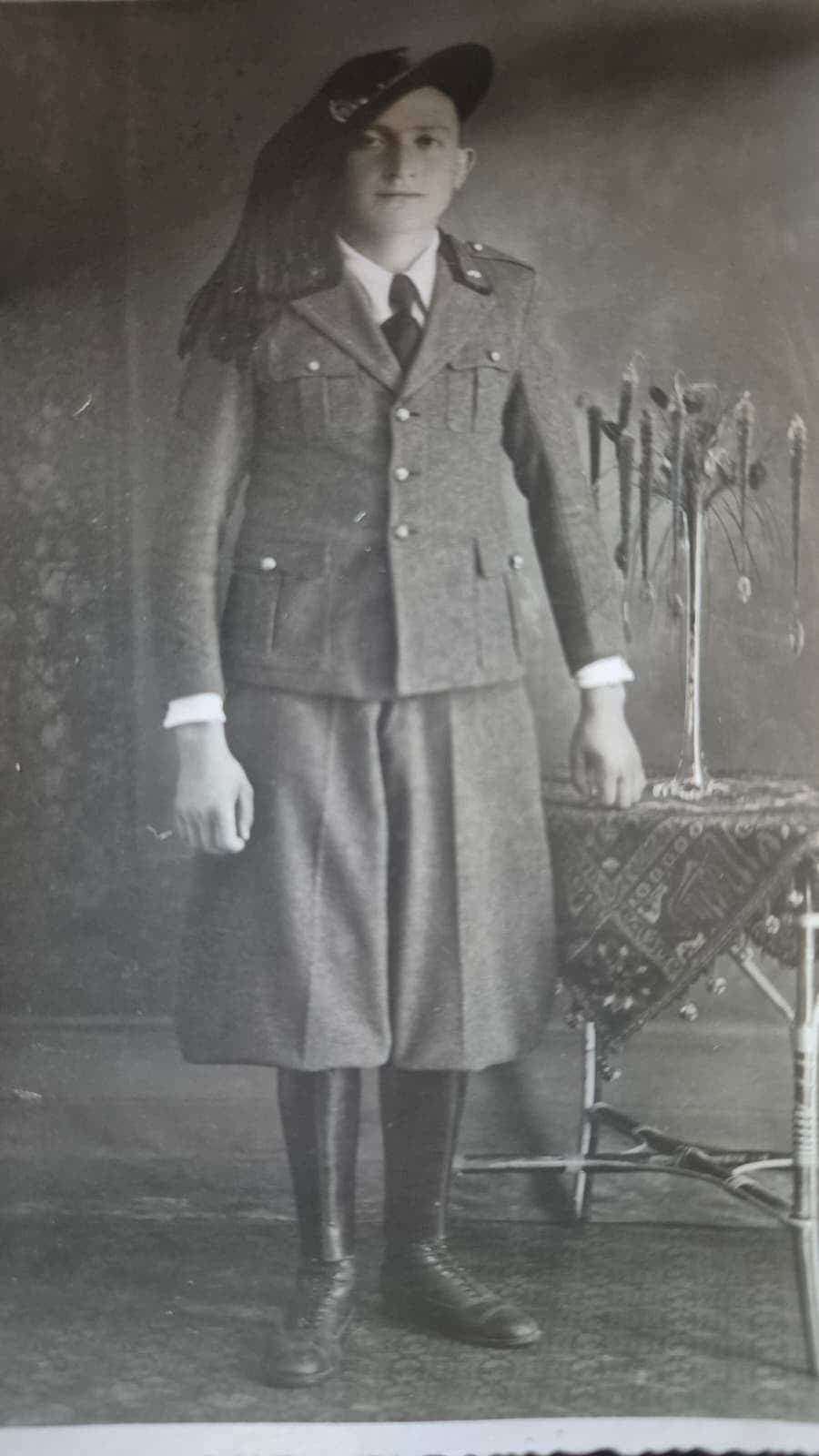
Antonio Gelada.
Born in 1912 near Borgo San Siro in northern Italy, Antonio served with the 10th Bersaglieri Regiment during the Second World War. He fought in North Africa before being captured in Tunisia in May 1943 and later transported to Britain as a prisoner of war.
Records revealed that Antonio had worked on farms north of Yorkshire during his captivity.
More than eight decades later, Artur had recovered his identity tag from the same part of England.
But identifying Antonio was not enough.
Artur and his fellow researchers continued until they located members of the Gelada family. Through them, the details contained in military records became something much more personal.
Antonio was not simply a name stamped into metal. He had been a husband, father and grandfather whose family still carried memories and questions about his wartime experiences.
One small discovery had reopened a chapter of their family history.
Bringing a Piece of History Home
Artur knew the tag belonged somewhere else. As he put it, “The dog tag did not belong in my collection. It belonged with Antonio’s family.”
After completing the necessary documentation to take the recorded artefact out of the United Kingdom, he arranged to travel to Borgo San Siro and return it to Antonio’s family personally.
The journey carried a remarkable symmetry.
During the war, Antonio had travelled from Italy to North Africa before captivity eventually brought him to England. Decades later, Artur travelled in the opposite direction, carrying with him an object Antonio had left behind.
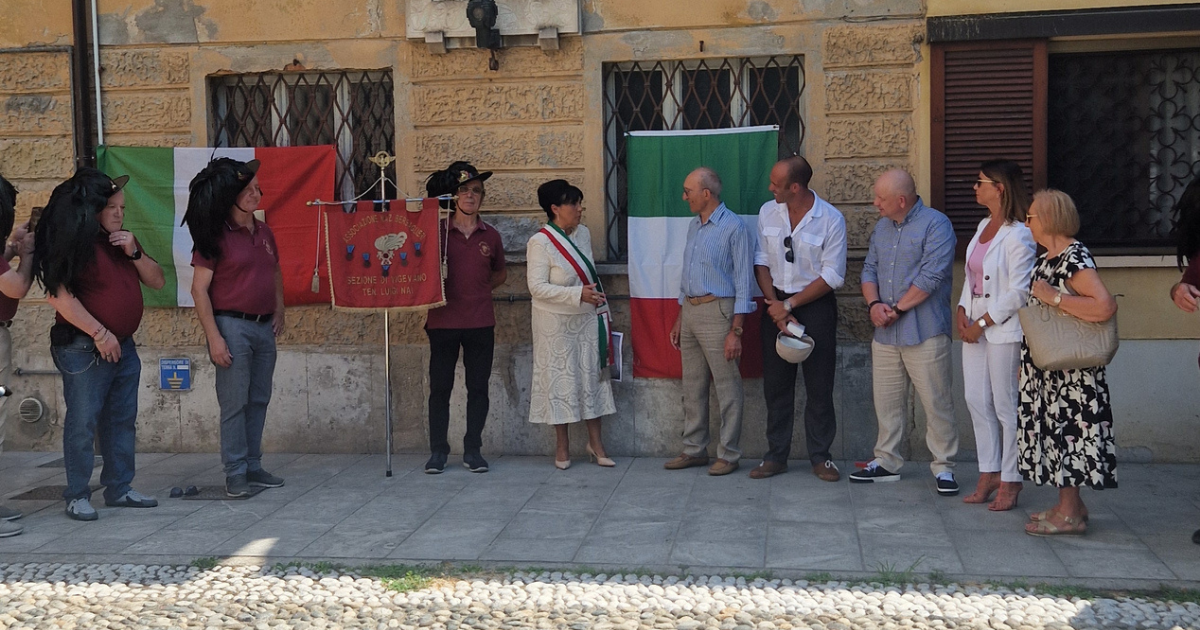
When Artur arrived in Borgo San Siro, he was welcomed by the Gelada family, Alessio, Maurizio and members of the local community.
An official ceremony was held in the village square beside the church, with local residents and members of the Associazione Nazionale Bersaglieri gathering to honour Antonio and witness the return of his identity tag.
Then came the moment months of research had been leading towards.
Artur placed the identity tag back into the hands of Antonio’s family.
For more than 80 years, it had remained beneath the soil of a Yorkshire field. Now, it was home.
The achievement was about far more than identifying an artefact. Artur had helped reconnect a family with a tangible part of Antonio’s life and ensured another piece of his story would remain with the people closest to it.
It is an extraordinary outcome for a discovery that began with one signal.
And the story still wasn’t finished.
One Discovery Leads to Another
After the ceremony, Artur spent time with Antonio’s family, looking through photographs and talking about his life.
During those conversations, the family revealed another collection of wartime documents.
They belonged to British soldier Gunner Desmond Jones. Desmond had been captured during the North African campaign and held as a prisoner of war in Italy. He later escaped and undertook an extraordinary journey to return to Britain.
The connection was striking.
Antonio had travelled from Italy and experienced captivity in England. Desmond had been taken in the opposite direction and held captive in Italy. Both had fought in Tunisia, both had experienced life as prisoners of war and both eventually returned home.
Their stories, once separated by countries and decades, had unexpectedly crossed paths through Artur’s discovery.
Artur is still following Desmond’s story today.
Keep Exploring
Artur’s story captures something special about metal detecting.
There is skill in recognising a signal and care in recovering an object, but discovery can extend far beyond the field.
It can mean asking another question, searching another archive, finding another name and following a story far beyond the place where it was first uncovered.
Artur could have looked at Antonio’s identity tag as another historical find. Instead, he gave it the time, research and respect needed to understand what it represented.
That dedication took him from a field in North Yorkshire to a village in northern Italy and gave Antonio Gelada’s family something they could once again hold in their hands.
Metal detecting gives us the opportunity to find history. Stories like Artur’s remind us that sometimes we also have the opportunity to return it.
Related Products