The Story Behind Every Signal: Learning to Read What Your Detector Is Telling You
 July 27, 2026
The Story Behind Every Signal: Learning to Read What Your Detector Is Telling You
Every signal carries information. The sound you hear, the Target ID on the screen and even the way the signal behaves as you sweep all help build a picture of what may be beneath the surface. Learning to interpret those clues takes time, but it's one of the most rewarding skills you can develop.
As you spend time detecting, you'll begin to recognise patterns. Signals become familiar, Target IDs start to make sense and subtle differences in audio become easier to identify. That growing understanding helps you make better decisions before you dig and gives you greater confidence in every search.
Every Signal Tells a Story
A detector doesn't simply tell you that metal is present. Every response provides clues that help you decide whether a target is worth investigating.
One of the first pieces of information you'll notice is the Target ID. This number estimates the target's conductivity, helping narrow down what could be beneath the surface. Lower numbers often indicate targets such as small foil, fine gold or aluminium, while higher numbers may point towards larger coins, copper, brass or silver. Although the Target ID is a valuable guide, it should never be treated as the final answer.
Audio tells an equally important part of the story. A clean, repeatable tone often suggests a well-defined target, while an inconsistent or broken signal may indicate iron, multiple objects close together or a target sitting at an awkward angle. As your experience grows, you'll begin to hear subtle differences that aren't always obvious by looking at the screen alone.
Signal strength, consistency and repeatability also help build the picture. A target that produces the same response from multiple directions is often worth investigating, while one that disappears or changes dramatically with each sweep may deserve a second look before deciding whether to dig.
Rather than relying on a single Target ID or audio response, you'll begin combining everything your detector is telling you to build a clearer picture of what's in the ground. That's when detecting starts to become less about reacting to a number on the screen and more about interpreting the complete story behind every signal.
Start With the Right Detector for Your Experience
One of the greatest strengths of the Minelab detector range is that every stage of your detecting journey has a detector designed to match your experience.
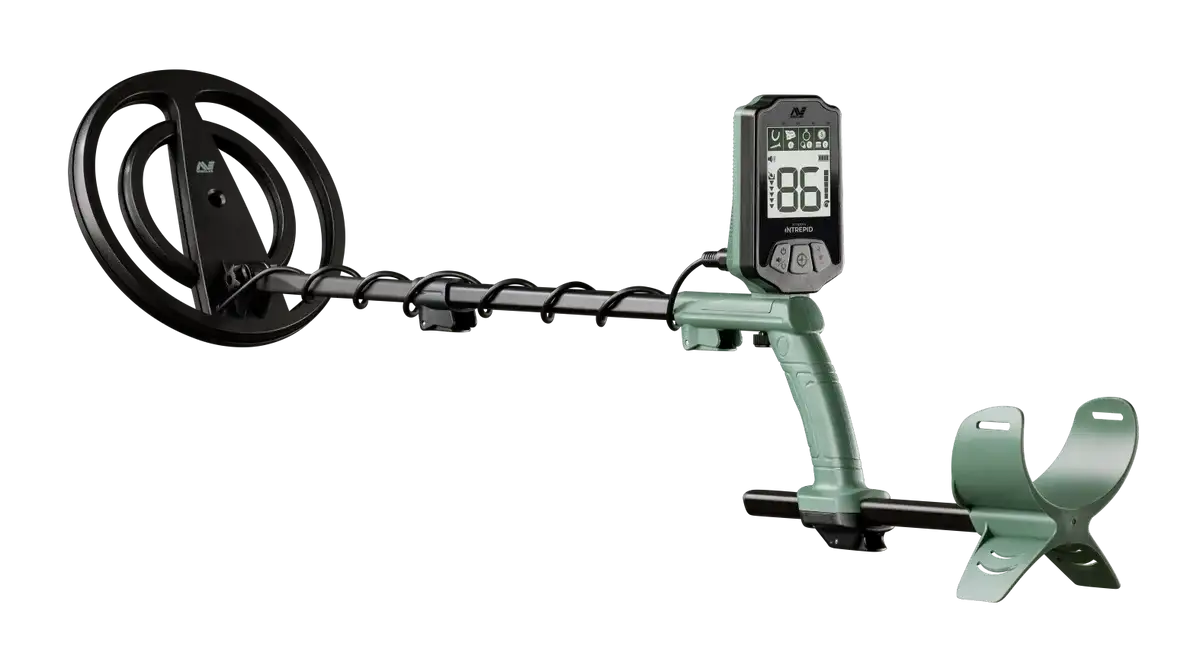
The X-TERRA INTREPID gives new detectorists the opportunity to build strong foundations without needing to navigate advanced settings. Automatic operation lets you focus on the skills that matter most, including coil control, sweep speed, recognising different audio responses and understanding how targets behave beneath the coil.
Instead of adjusting settings, you're free to spend time learning how your detector responds across different environments and target types. Those early hours in the field build the knowledge and confidence that carry through every stage of your detecting journey.
As your experience develops, you'll naturally reach a point where greater control becomes valuable.
Taking the Next Step
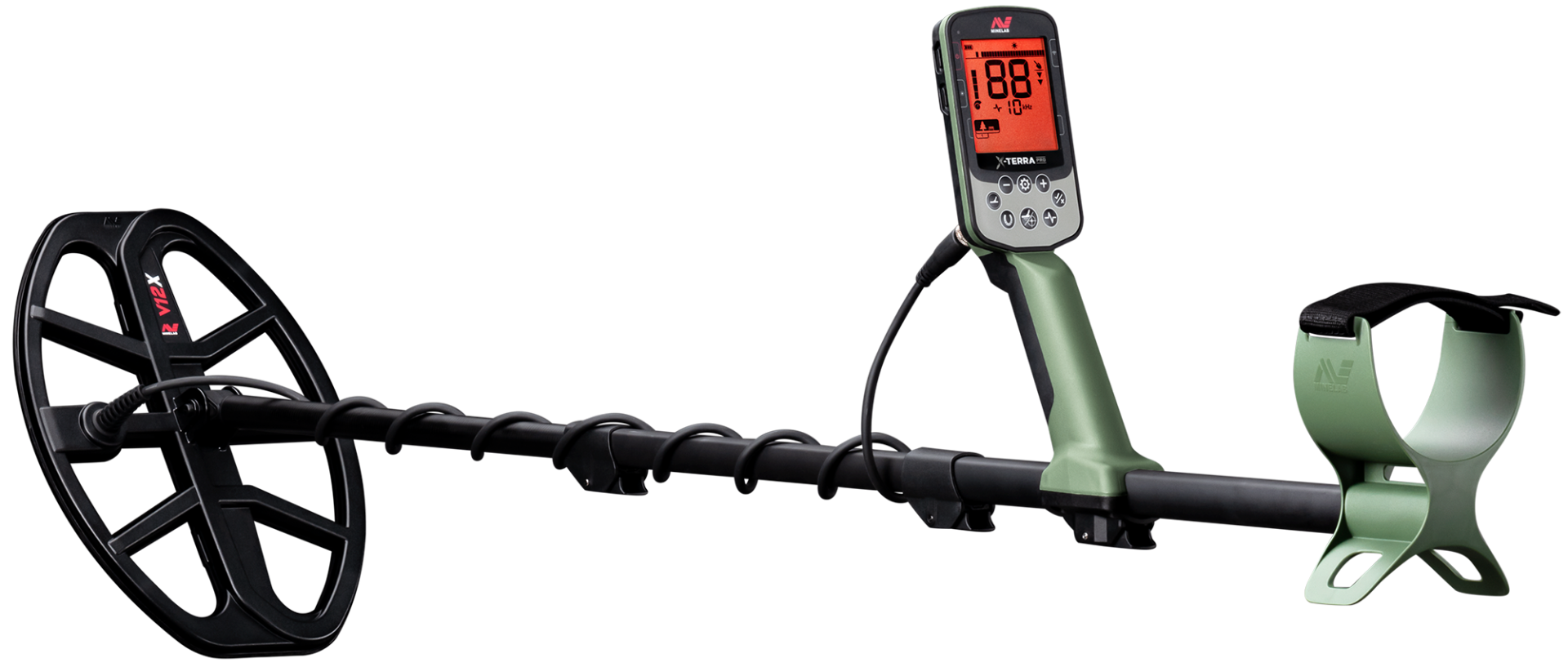
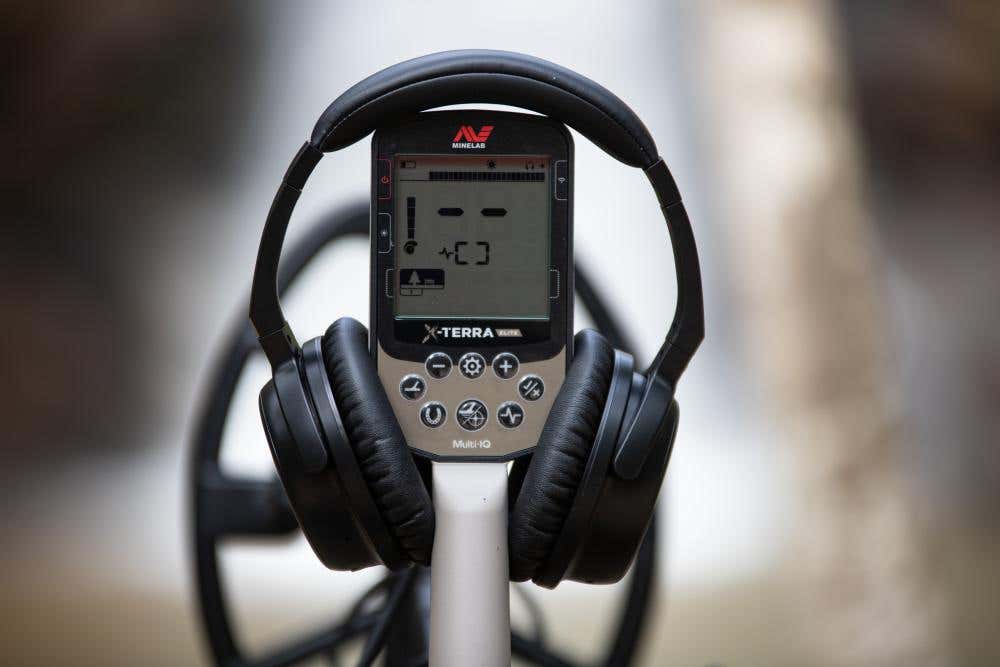
The X-TERRA ELITE and X-TERRA PRO introduce additional features that let you tailor the detector to different environments and hunting styles without feeling overwhelming.
As you become familiar with settings including sensitivity, search modes and recovery speed, you'll start to recognise how each adjustment changes the detector's behaviour. Those settings help you adapt to changing ground conditions, improve target separation in areas containing heavy rubbish and gain a clearer understanding of the signals you're hearing.
The goal isn't to adjust every setting on every hunt. It's knowing what each feature does, recognising when an adjustment is worthwhile and understanding how those changes influence the information your detector provides.
Greater Capability Comes With Experience
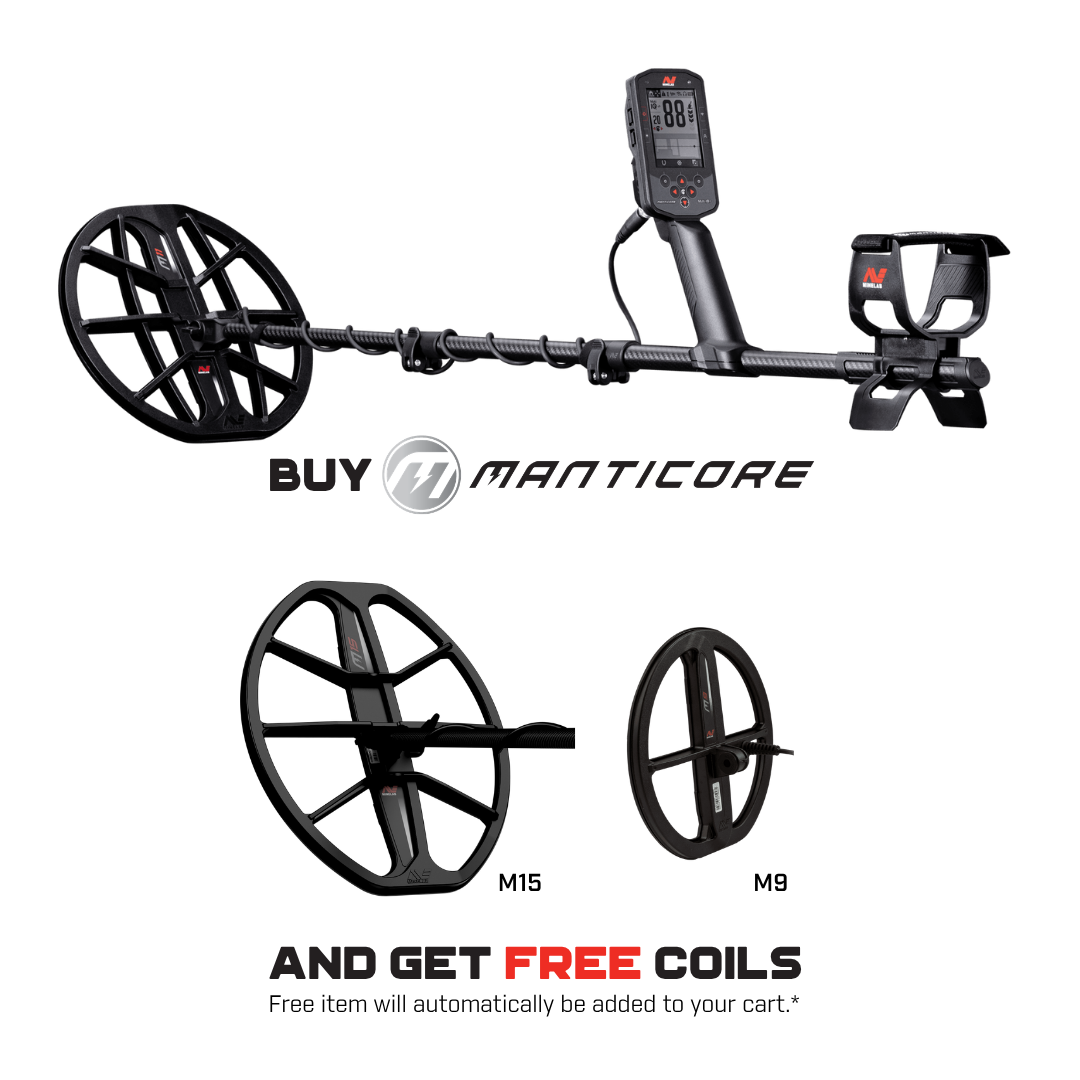
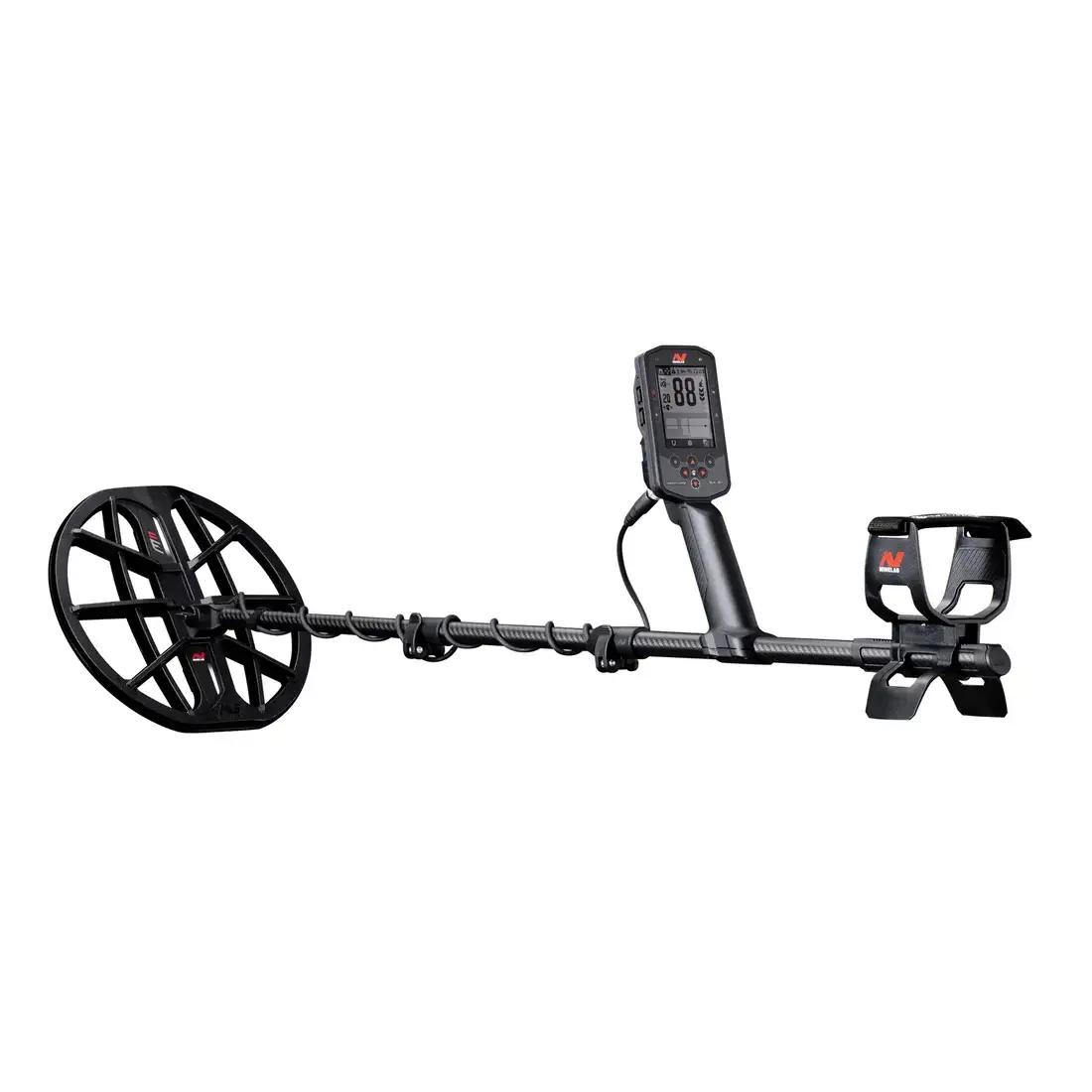
As your skills continue to develop, the MANTICORE introduces an even greater level of refinement.
Advanced settings give experienced detectorists the ability to fine-tune the detector for particular sites, target types and ground conditions. Rich audio characteristics, detailed visual target information and extensive customisation combine to paint a clearer picture of what's beneath the surface before you decide to dig.
These advanced features aren't there to make detecting harder. They're designed to provide experienced users with deeper insight once they've developed the knowledge to interpret it.
That's why progressing naturally through different detector levels is so valuable. Every stage builds upon the experience you've already gained, helping you make full use of the next level of capability.
The Best Detector Is the One You Know Well
Many experienced detectorists will tell you they'd rather use a detector they know inside and out than an advanced detector whose features they haven't yet mastered.
Spending time with your detector in different environments is one of the fastest ways to improve. Visit parks, beaches and fields. Dig a wide variety of targets. Pay attention to how different objects sound and how their Target IDs behave. Notice how mineralised ground or nearby rubbish changes the signal.
Every hunt teaches you something new.
The more time you spend learning your detector, the less you'll rely on simply reacting to a number on the screen. Instead, you'll begin to combine audio, Target ID, signal consistency and your understanding of the site to make better informed decisions.
Every Hunt Builds Experience
No detector can identify every target with complete certainty. That's part of what makes metal detecting so rewarding.
Every signal is an opportunity to learn. Every target you recover helps build your understanding of how your detector responds in real-world conditions.
As your skills develop, you'll become more confident interpreting the information your detector provides and more comfortable exploring the additional features that come with more advanced models.
Because the best detector isn't simply the one with the most settings. It's the one you understand well enough to get the most out of every search.
Related Products