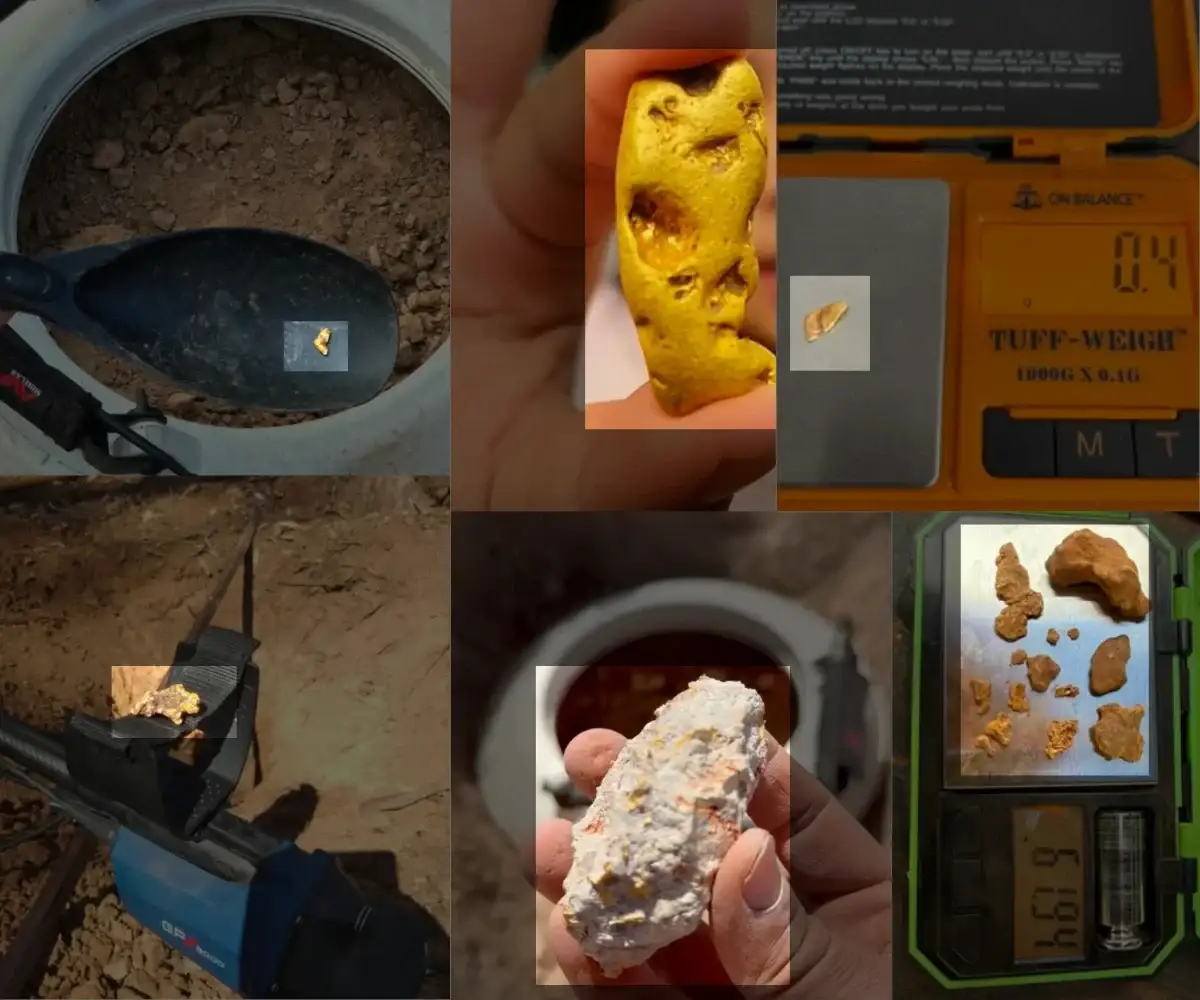
How to Get Better Results This Summer While Metal Detecting
 May 21, 2026
How to Get Better Results This Summer While Metal Detecting
Summer is one of the best times to get out and metal detect because the conditions are already working in your favour. Longer days give you more time to hunt, which increases the chances of fresh drops, and shifting sand or dry ground exposing targets that may have been hidden for years. If you want better results this summer, it usually comes down to a few key things: understanding your detector, slowing down your approach and making sure your setup matches the conditions.
Why Summer Is the Best Time to Detect
Busy beaches, parks and campsites create more opportunities to discover valuable finds, especially in areas with heavy foot traffic. Summer conditions can help reveal older targets, particularly on beaches where wind and water movement constantly change the surface and expose deeper items.
With extra daylight you can spend more time properly working an area instead of rushing through it. Early mornings and late evenings are often the most productive times to hunt, which makes it easier to slow down and search an area properly without dealing with the middle of the day heat.
3 Ways to Improve Your Results
Ground Balance Properly
Ground balance has a major impact on how stable your detector runs and how clearly it responds to targets. Summer conditions can change quickly depending on moisture levels and mineralisation, so taking the time to balance your detector properly before hunting can reduce false signals and improve overall target response.
Refine Your Sweep Technique
A fast sweep is one of the main reasons targets get missed. Keeping your coil low and level with the ground while slightly overlapping each pass allows your detector more time to respond, especially on weaker or deeper targets that can easily be overlooked when swinging too quickly.
Learn Your Signals
Not every valuable target gives a perfect signal straight away, particularly in areas with a lot of junk or closely spaced targets. Repeatable tones and signals that stay consistent from different directions are usually worth investigating, and spending more time learning your detector’s audio responses will make it easier to identify targets with more accuracy.
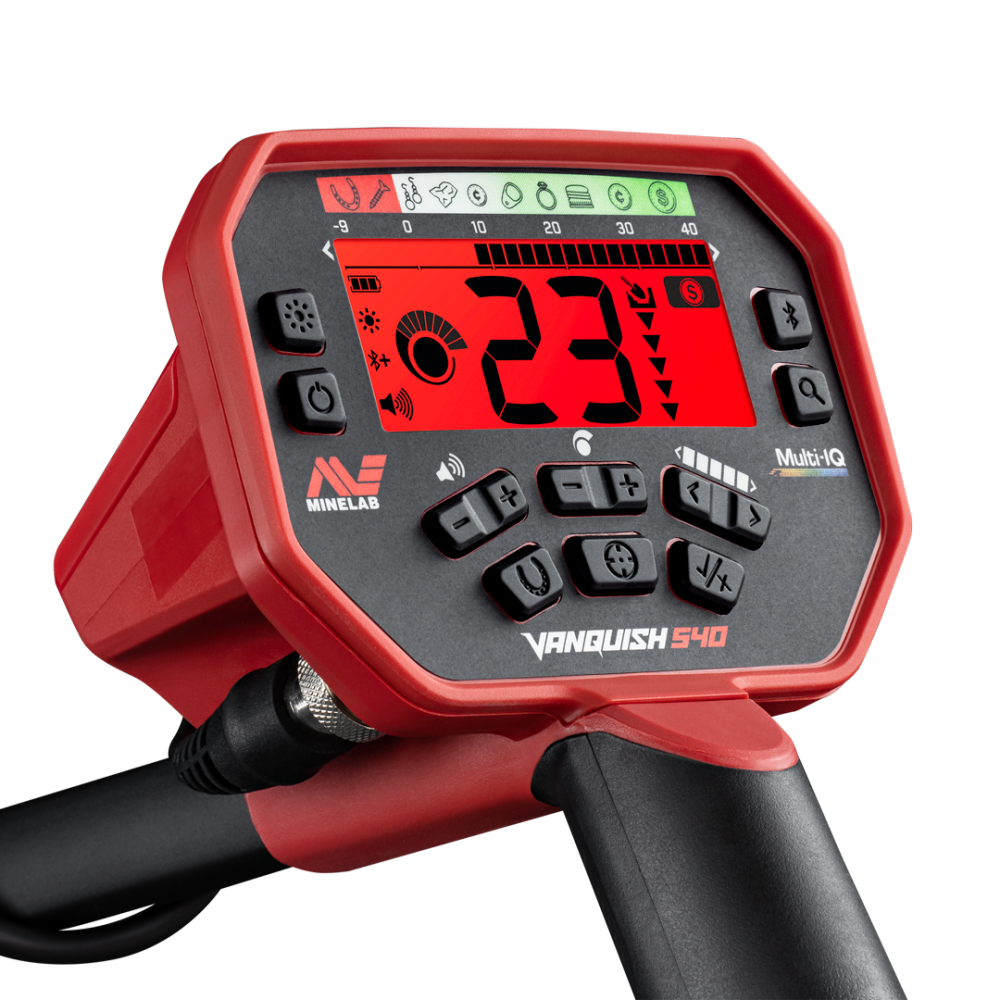
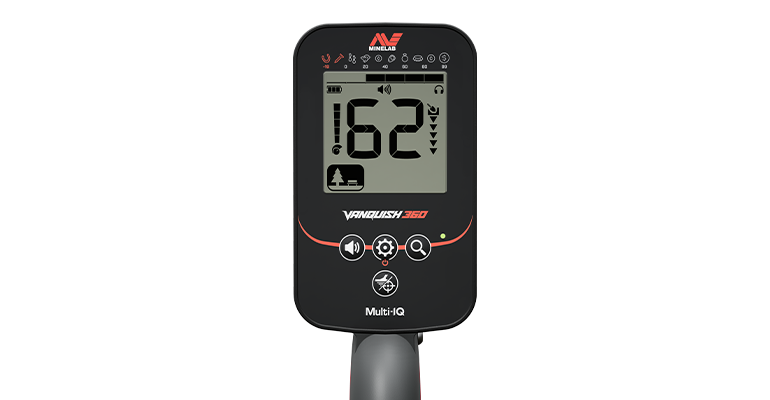
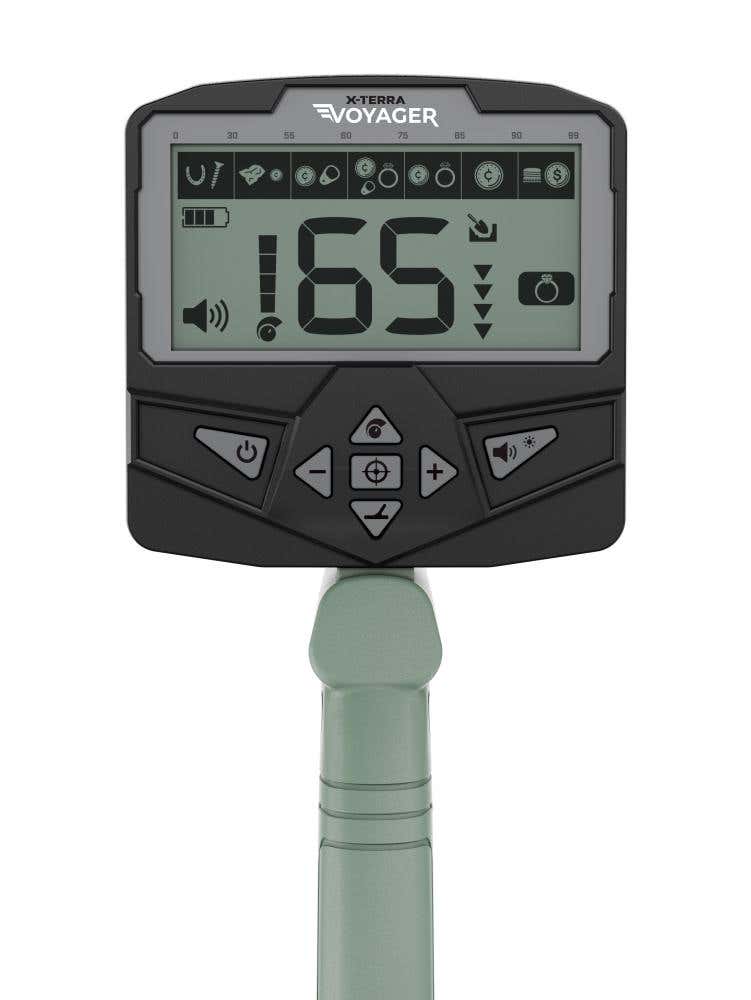
Choosing the Right Detector
The detector you use matters but results also depend on how well you understand the machine in your hands.
A high-performing detector still needs the right settings, proper technique and time spent learning how it responds in different environments. Many detectorists miss good targets simply because they have not fully learned what their detector is telling them.
When choosing a detector, think about where you hunt most often.
Beach hunters may want strong saltwater performance and target separation. Park and field hunters may focus more on versatility and accurate target ID. The best setup is one that suits your environment and gives you the control to hunt effectively.
Why Setup Matters
Getting your setup right before you start hunting can make a noticeable difference to how your detector performs in the field. Sensitivity, discrimination and recovery speed all affect how the detector responds to different targets and ground conditions, and settings that work well in one location may not perform the same way somewhere else.
Running sensitivity too high can make the detector unstable and noisy, while overly aggressive discrimination can filter out targets you actually want to recover. Recovery speed also becomes important in areas with a lot of nearby targets because the detector needs to separate signals clearly instead of blending them together.
Small adjustments to your setup can improve target clarity, reduce unnecessary noise and help you get more out of your detector throughout the hunt.
Make This Summer Count
Summer gives you some of the best opportunities of the year to find more targets, but better results still come down to technique, patience and understanding your detector properly. Spend time getting your setup right, slow your sweep down and pay attention to the signals your detector is giving you, because those small improvements can make a big difference over the course of a hunt.
Get out there this summer with the right detector and a setup that suits the way you hunt, so every trip gives you the best chance of success.