How to Choose the Ideal Frequency for Your Metal Detector
 October 02, 2025
Did you know that the frequency of your metal detector is crucial for getting good results, especially in beach environments? Choosing the right frequency can directly affect detection depth and the type of target you’ll find in soils with high mineralization, typical of coastal regions.
In this article, we’ll simply explain what frequency means in metal detectors, the most common types, and how to choose the best option for each situation.
What Is Frequency in a Metal Detector?
Frequency is the number of electromagnetic waves a detector emits per second into the ground. Measured in kilohertz (kHz), it determines the sensitivity of the device and its detection depth.
Low frequencies (around 5–10 kHz):
Penetrate deeper. Ideal for large, highly conductive targets such as silver coins and larger relics.
High frequencies (above 15 kHz):
More sensitive to small or low-conductivity objects—like fine gold jewelry or small nuggets—but with less depth.
How to Choose the Ideal Frequency for Your Minelab Metal Detector
The best frequency depends on your main objective and the type of soil you’re detecting in.
1. Looking for gold?
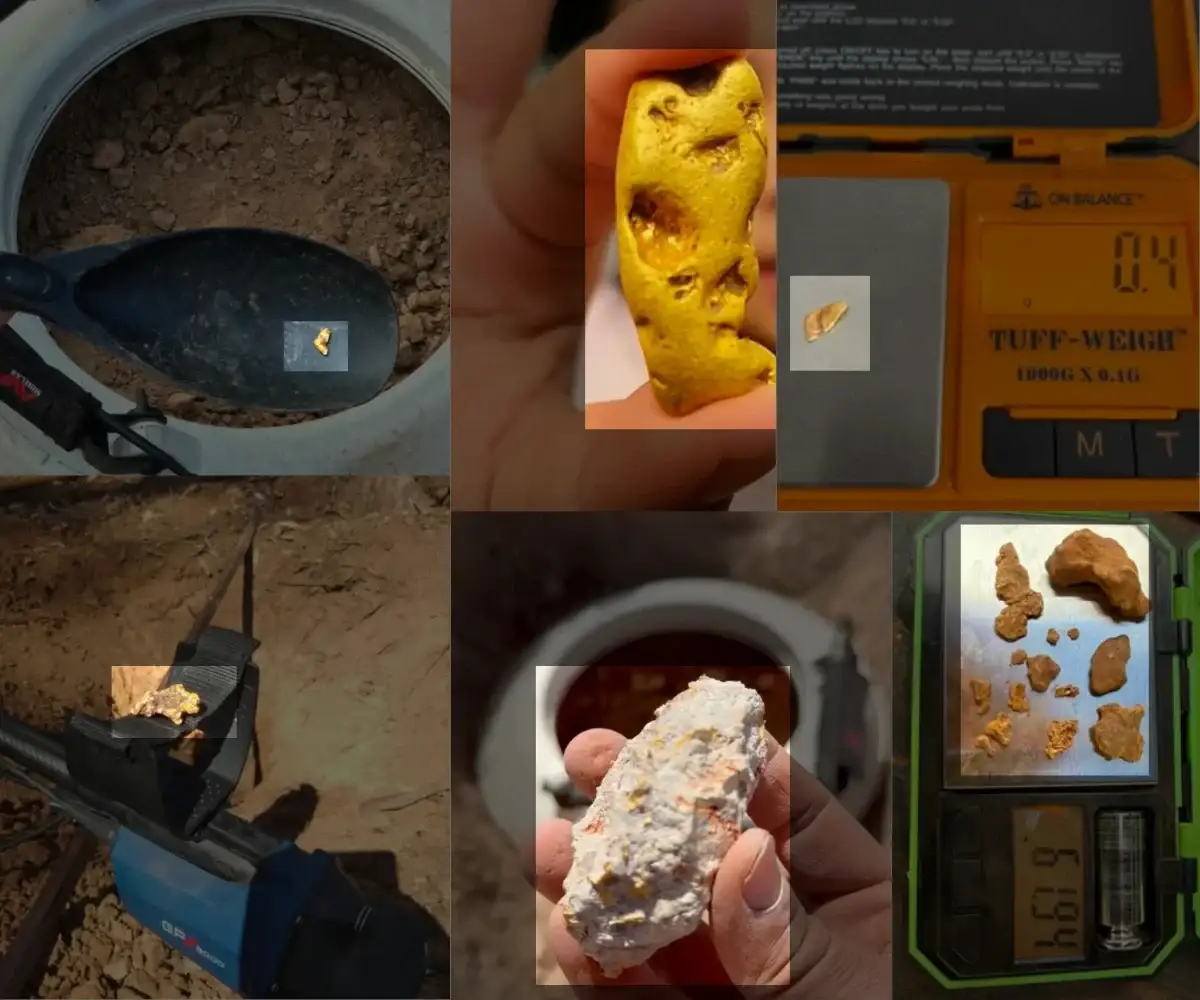
High frequencies are ideal because they detect small nuggets more accurately. Models like the GOLD MONSTER 1000 or GPX 6000 are excellent for this purpose.
2. Searching for relics and coins in deep ground?
Choose low to mid frequencies, such as those offered by EQUINOX 900 and MANTICORE, which balance depth and sensitivity.
3. Want versatility for all soils and targets?
Go for detectors with Multi-IQ technology, like the X-TERRA ELITE, the VANQUISH series, or the EQUINOX series. They operate on multiple frequencies simultaneously, offering the best of both worlds.
Advantages of Minelab’s Multi-IQ Technology
Detectors with Multi-IQ scan the ground using several frequencies at once. That means:
Greater accuracy in identifying the types of metals buried beneath
Less time wasted digging up junk targets
Better performance in highly mineralized soils, such as beaches and rocky terrain
For those who want convenience and efficiency, this technology is a real differentiator.
Conclusion
Understanding how to choose the ideal frequency for your metal detector makes all the difference in successful hunts. Whether you're detecting for fun, as a hobby, or even professionally, knowing which frequency to use lets you get the most out of each terrain and increase your chances of finding real treasures.
With the right frequency and suitable technology, you’ll always be a step ahead in your detecting adventures!